
Speaking and workshops
Urgency is not clarity
The Quiet Exit, a keynote on what midlife does to a woman’s judgement and what it costs the organisations that miss it.
When experienced women leave in midlife, the symptoms are rarely the whole story. Often there is a decision underneath it that felt like clarity and was something else. A changed nervous system in perimenopause can hand a capable woman a certainty she has not earned yet, and she acts on it, because acting fast is what has always worked for her. She resigns, or ends the partnership, or quietly torches a project, and calls it clarity.
This is the part no one is helping with. Not the biology, which is well covered now, but what the change does to a woman’s judgement, and how she keeps hold of it. For an organisation, it is a retention conversation wearing a wellbeing title. It is not a menopause briefing. It is about judgement.
Why nowThe pressure is real; the room is empty
Menopause at work is a live question in Australia. A 2024 Senate inquiry, a government response the year after, and large employers now putting reproductive-health leave in place. The pressure to act is real, and most organisations have no idea what to put in a room. This session gives them something to put in it.
What a room takes awayA distinction they can feel, not a lecture
They leave with the difference between a decision made braced and a decision made settled, and one simple practice for telling them apart before they act on the big one. Doing it live means they feel the difference in the room, not just hear about it.
The approachWhat this is, and is not
Jennifer is not a clinician, and she does not pretend to be one for the length of a talk. She arrives after the biology has been explained and takes the part almost no one else will, the decision itself. No symptom checklists. No policy drafting. No manager-awareness training. The refusal is deliberate. It is what keeps the work clear, and it is why she does not sound like everyone else on the list.
THE FIELDWhere this sits
There is a lot of good work close to this, and none of it is quite this. The people who study decisions, from Daniel Kahneman to Annie Duke, taught us to reason better: to weigh the odds and know when to walk away. That work holds. But it assumes the person reasoning has the capacity to use it. This work is about what happens when she doesn’t.
The somatic and leadership coaches teach people to regulate for presence and composure, aimed at the everyday. This is aimed at one thing: the decision that cannot be undone. The speakers on decision-making under pressure train the split-second, the adrenaline moment. This is the slow one, the bad year and the choice made at the end of it. And the menopause educators explain the biology, which is well covered now. This begins where they finish, with what the change does to a woman’s judgement.
The name for the work is decision governance. Jennifer governs the decision, so the woman can go back to governing herself.
Ways to bring her inFormats
-
25 to 40 minutes. In person or online. For conferences, leadership summits, International Women’s Day and women’s networks. Mixed audiences welcome.
The room leaves with:Why capable women make their biggest exits in midlife, and why the decision can feel like clarity from the inside
The difference between a decision made braced and one made settled, and how to tell which one you are in
One plain practice to use before acting on a decision that cannot be undone
-
60 to 90 minutes. In person or online. The simplest way for a team to try the work: the core of the keynote, the practice done together, and time for questions. Built for women’s networks and groups of women.
-
Three and a half hours. In person. The practice taught properly, with time to use it, for People and Culture teams and offsites. Built for women, in a room small enough to talk.
About JenniferJennifer Gifford works in decision governance, the steadying of women in midlife through the decisions that will shape the rest of their lives. Her premise is plain: activation is not the decision-maker. A woman close to leaving the marriage, selling the business, or walking away from the life she built does not need to be talked out of it, or into it. She needs to be steady enough to know her own mind.
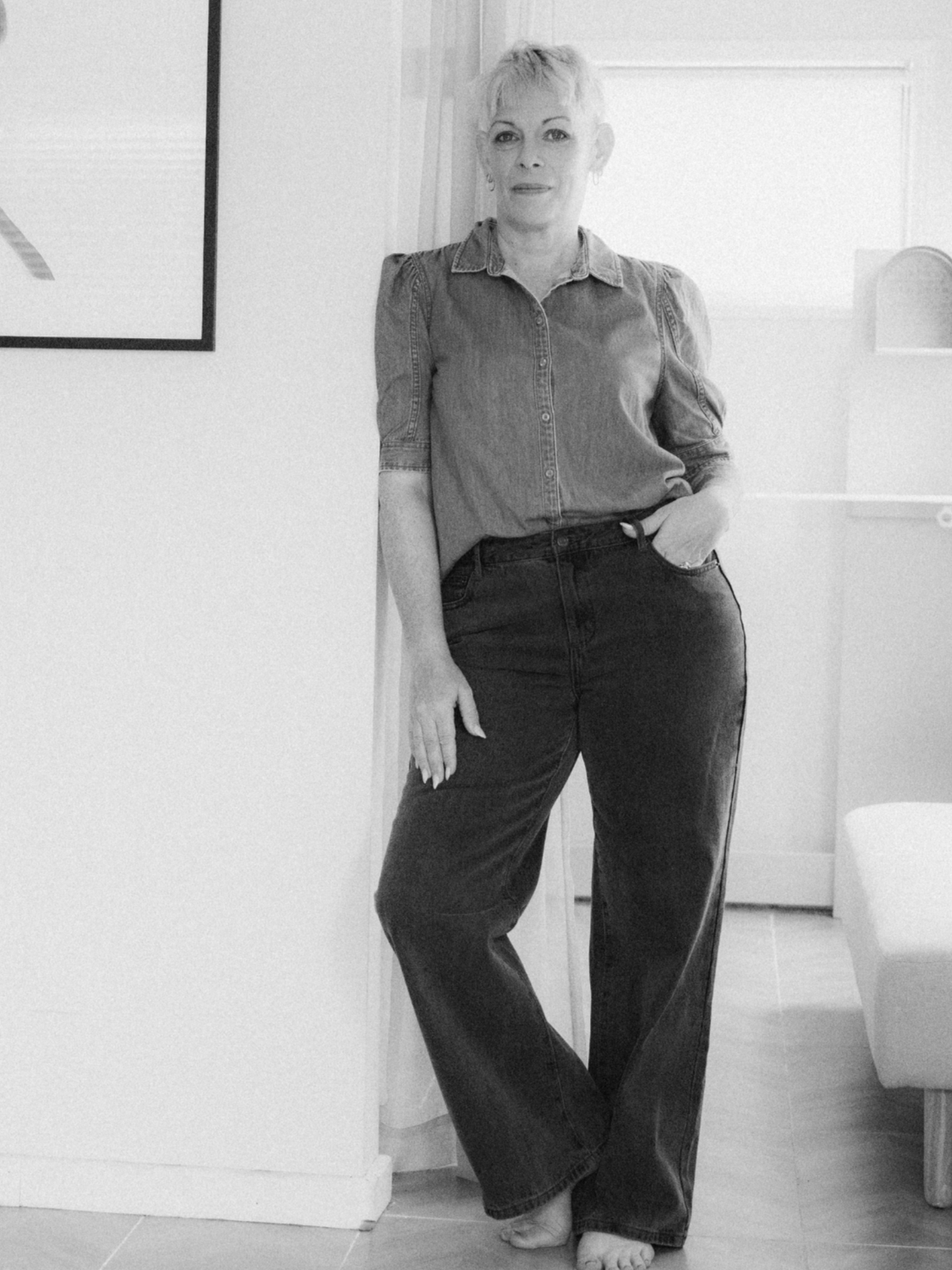
She learned it from the inside. She spent over 22 years in the wedding industry, fourteen of them running her own bridal gown business, dressing women for the most looked-at day of their lives. It taught her how much presentation can hide, and how often competence masks collapse.
In March 2020, weddings in Australia were cut to five people, and her work stopped almost overnight. Her father had died that December. Her mother needed more of her. She was lying awake doing sums about money, and telling herself she should be coping better than this. She called it burnout. It didn’t fit. She was carrying more than she ever had, and reading all of it as failure. It was a long time before she understood how much of it was perimenopause.
When the weddings came back, she wanted to walk out of the business overnight. She couldn’t. The commitments had names on them, so she closed it slowly instead. Closing was the right call. Making it in that state would not have been. That gap, between a decision that feels like clarity and one made from steady ground, is the work.
She built The Threshold Studio to be the thing she needed and could not find.
Her book, Still You, is for capable women in perimenopause who are holding everything together and quietly running out. Its argument is the one she brings into the room: she is not broken, she is carrying too much, and the big decisions can wait until she is on steadier ground. She also writes The Clearing, essays on midlife and the nervous system.
For
Organisations, firms and women’s networks who would like to keep their most experienced women and to help them make their biggest decisions from steady ground.

Enquire
Based in Brisbane, available across Australia. Fees on application.
The keynote works for mixed audiences, including leaders. The lunch and learn and the half day are built for women. Tell me who will be in the room and I will shape the session for them.